Waterproofing in Iowa City, IA
Request an estimate to address your foundation waterproofing needs and protect your home from water intrusion.
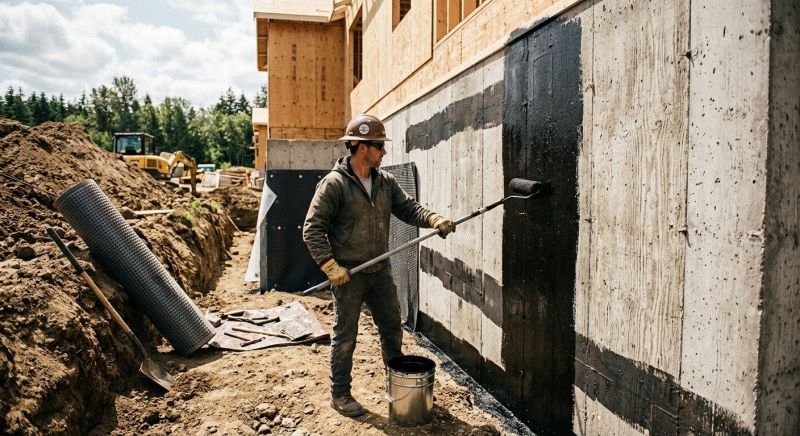
Waterproofing Project Planning
Determine which basement walls or foundation sections require waterproofing and assess their current moisture or water intrusion status.
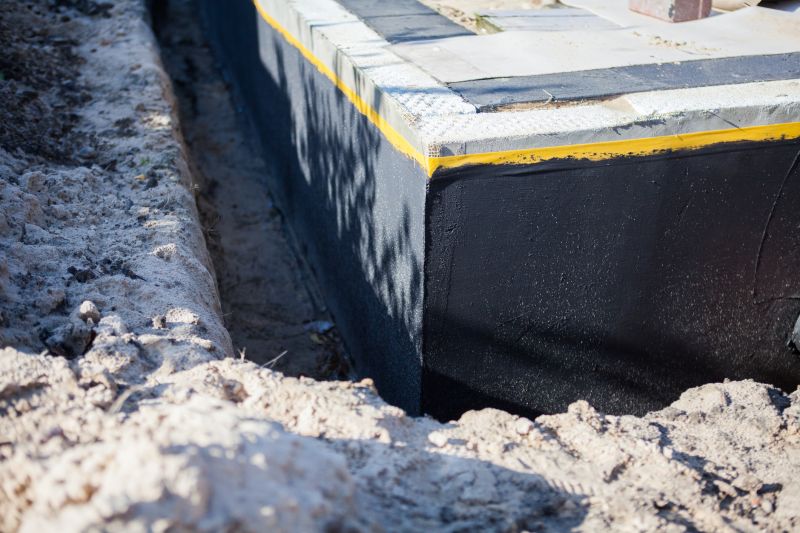
Decide on the primary waterproofing membrane, drainage system, or sealant options that best address your foundation's substrate and repair needs.
Review estimates to ensure proposed waterproofing membranes, drainage channels, and surface preparations are consistent and comparable.
Waterproofing Service Guide
Learn about this service and how it relates to the work you need.
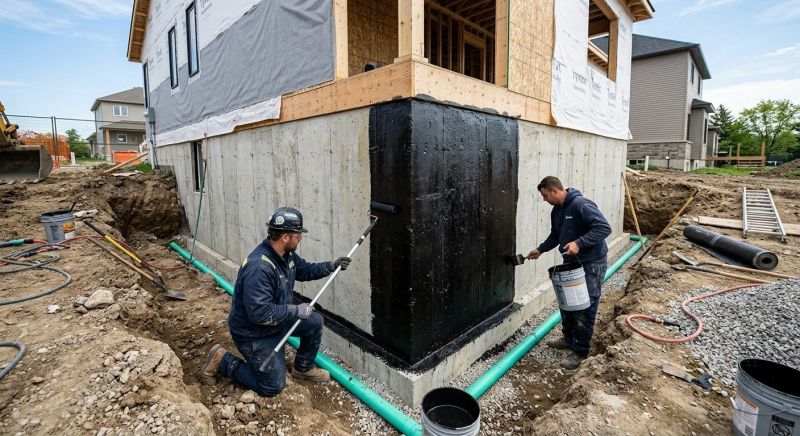
Foundation Waterproofing
Cracks, moisture, or water intrusion in basement walls or foundation sections can be addressed with foundation waterproofing when preventing damage or maintaining dry interiors is a priority.
What to Expect
Use these general planning benchmarks to frame the project before requesting an estimate.
Common Questions
Quick answers to practical questions about waterproofing.
How can I determine if my foundation needs waterproofing?
Assess visible cracks, moisture issues, and water intrusion signs in your basement or foundation to identify if waterproofing is necessary.
Is waterproofing suitable for repairing existing foundation damage or only for prevention?
Waterproofing can address minor cracks and moisture issues, but extensive damage may require repair or replacement before waterproofing.
What materials are typically used in waterproofing systems, and how do I know which is best for my foundation?
Common materials include membranes, sealants, and drainage systems; the best choice depends on your foundation’s substrate and existing conditions.
How does the preparation process for waterproofing impact home disruption and access?
Proper preparation involves cleaning and sealing surfaces, which may require limited interior or exterior access, but minimizes long-term disruption.
What maintenance is needed after waterproofing is installed to ensure its effectiveness?
Regular inspections for cracks or damage and keeping drainage systems clear help maintain waterproofing performance over time.
Share your project type, property details, and main goal to request an estimate.
Get A Local Estimate